

One of the best things about the digital marketing industry is that career progression can be remarkably fast for people who are intentional about their growth. Unlike traditional industries where you might wait a decade for a leadership opportunity, the best digital agencies promote based on capability, not seniority.
But fast progression is not automatic. It requires a clear understanding of the skills you need to build at each stage, the milestones that signal readiness for the next level, and the strategic decisions that accelerate your trajectory.
This article maps the typical career path in a digital marketing agency in Egypt, from intern to leadership, with specific guidance at each stage.
Stage 1: The Foundation (Intern to Junior Executive, 0-12 Months)
Your first year in an agency is about building fundamentals. You are learning how platforms work, how campaigns are structured, how clients communicate, and how teams collaborate. Everything is new, and that is the point.
The skills to focus on: platform proficiency (become genuinely skilled at the major platforms: Meta Business Suite, TikTok Ads Manager, Google Ads, Canva, and analytics tools). Content creation fundamentals (writing captions that follow brand guidelines, understanding visual hierarchy, basic design principles). Professional communication (email etiquette, client meeting behavior, how to present work clearly). And time management (agency work involves multiple clients and deadlines, and learning to manage competing priorities is essential).
The milestone that signals readiness for the next level: you can manage routine tasks independently without daily supervision. You contribute to client deliverables, not just support them. Your manager trusts you to handle standard requests without review.
Stage 2: The Deepening (Executive to Senior Executive, 12-30 Months)

This is where you transition from executor to contributor. You are not just doing what you are told. You are starting to think about why things are done the way they are, and occasionally, how they could be done better.
The skills to focus on: strategic thinking (understanding how individual tactics connect to broader business objectives), data analysis (moving beyond basic reporting to insight generation), client management (handling day-to-day client communication, managing expectations, and building relationships), and specialization (developing depth in one area: content strategy, media buying, analytics, or creative direction).
This is also the stage where you should be developing a perspective. What do you believe about marketing? What approaches do you think work best? Having a point of view, even a developing one, signals maturity and readiness for more responsibility.
The milestone: you can lead a mid-size account or a significant workstream on a large account. You present to clients confidently. Your strategic recommendations are taken seriously by senior team members.
Stage 3: The Transition (Team Lead to Manager, 30-48 Months)
This is the most challenging transition in an agency career: from individual contributor to people leader. The skills that made you a great executor (attention to detail, personal productivity, tactical expertise) are necessary but no longer sufficient.
The new skills to develop: people management (giving feedback, developing junior team members, resolving conflicts, setting expectations), project management (planning work across multiple team members, managing capacity, meeting deadlines without burning people out), client leadership (not just managing the relationship but shaping it, proactively identifying opportunities and risks), and commercial awareness (understanding how the agency makes money, how your team’s work contributes to profitability, and how to scope and price new work).
The hardest part of this transition is letting go of doing everything yourself. Your job is no longer to produce the best work. It is to build a team that produces the best work. Many talented marketers struggle with this shift because their identity is tied to personal output rather than team output.
The milestone: your team consistently delivers high-quality work, your team members are growing and taking on more responsibility, and your client relationships are strong enough that clients specifically request your team.
Stage 4: The Strategic Layer (Senior Manager to Director, 4-7 Years)
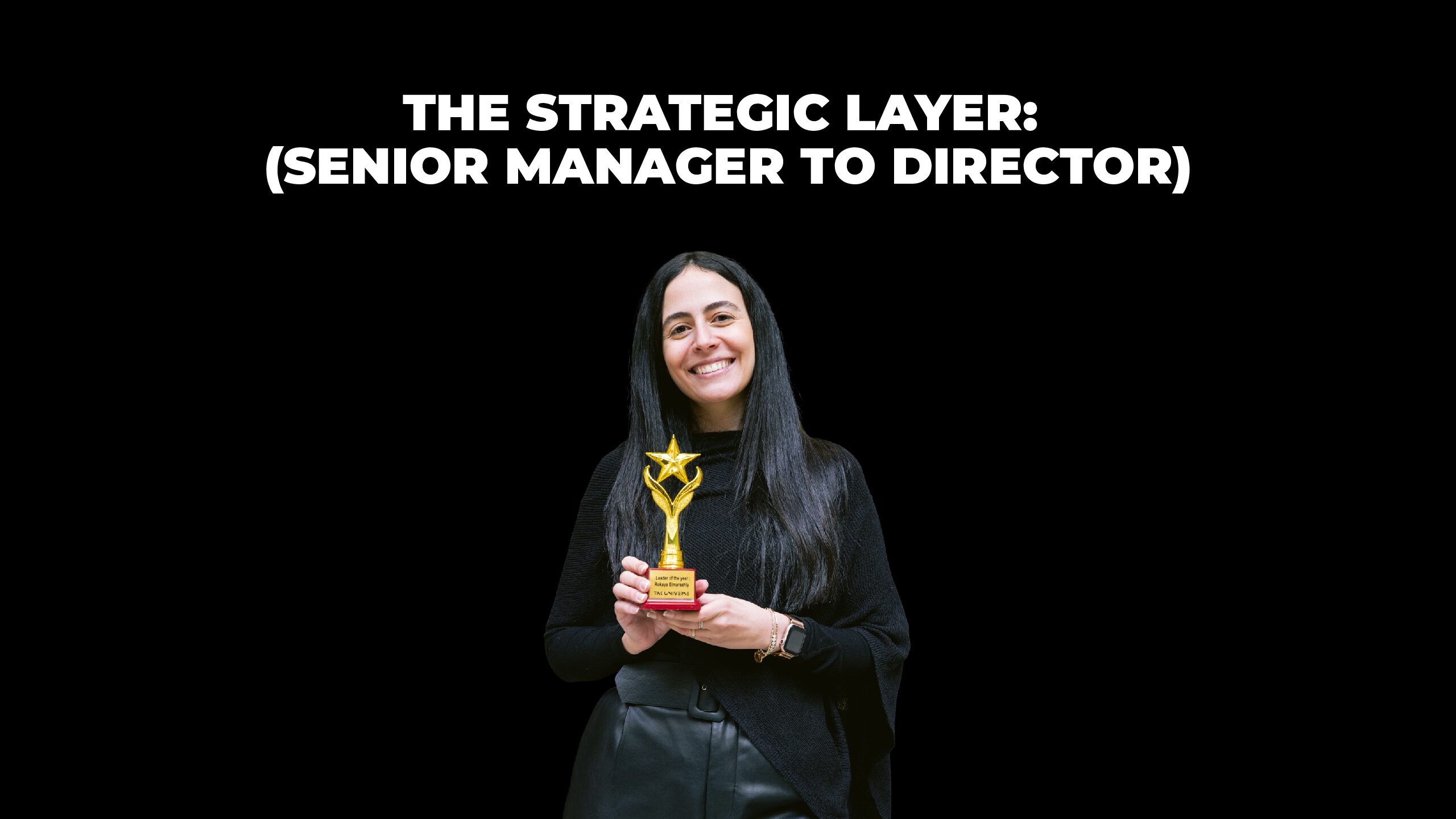
At the director level, your scope expands from individual accounts to departmental or agency-level strategy. You are shaping how the agency works, not just how your team works.
The skills at this stage: business strategy (understanding market positioning, competitive dynamics, and growth opportunities for the agency), financial management (P&L responsibility, forecasting, resource allocation), innovation (identifying new service offerings, technologies, or approaches that create competitive advantage), and thought leadership (representing the agency externally through speaking, writing, and industry engagement).
At this stage, your network becomes as valuable as your skills. The relationships you build with industry peers, potential clients, and platform partners create opportunities that no amount of individual skill can match.
Accelerating Your Growth
- Some people move through these stages in five years. Others take ten. The difference is rarely raw talent. It is intentionality.Here are the accelerators:
- Seek discomfort. Volunteer for the projects nobody else wants. The hardest assignments produce the most growth.
- Find mentors actively. Do not wait to be mentored. Identify the people whose skills and career you admire, and ask for their guidance.
- Build T-shaped skills. Go deep in one area, but maintain working knowledge of all areas. The best leaders understand enough about every discipline to make informed decisions.
- Create visibility for your work. Do not assume your quality speaks for itself. Share your wins, your learnings, and your ideas. Write internally and externally. Present at team meetings.
- Stay curious about the industry. The marketers who stop learning stop growing. Read, attend events, experiment with new tools, and maintain genuine intellectual curiosity.
The digital marketing industry in Egypt is still young enough that the ceiling is as high as your ambition. The agencies that invest in their people’s growth create a virtuous cycle: talent attracts talent, great work attracts great clients, and great clients create more opportunities for growth.
Your career trajectory is not something that happens to you. It is something you build, deliberately and strategically, one decision at a time.